
How to Build a Winning Voter Universe for California Local Campaigns
Most local campaigns fail not because of effort but because they start without a clear voter universe. If you don’t define your win number and model turnout precisely, your outreach will miss the mark. This guide breaks down how to build a winning voter universe for California local races, turning guesswork into math and structure so every campaign move counts. Learn more here.
Defining Your Win Number

Before diving into voter outreach, it’s essential to know what success looks like. Defining your win number sets a clear target. This number guides your entire campaign strategy, ensuring every effort is focused and purposeful.
Calculating Realistic Vote Goals
Determining your vote goal isn’t just about guessing. Start by examining past election results in your district. Look at the number of voters who turned out in similar races. This historical data provides a baseline. From there, consider any changes in voter registration or demographics. These shifts can impact turnout and your required vote total. Remember: your vote goal should be ambitious yet attainable. It serves as the foundation for your campaign plan.
Understanding the Turnout Model
Turnout models predict how many voters will cast ballots. A solid model considers factors like election type and historical patterns. For instance, local elections might see different turnout than presidential races. Use this data to estimate how many supporters you need to win. Be ready to adjust as new data emerges. A flexible turnout model adapts to real-time changes, ensuring your campaign remains on track.
Building a Precise Voter Universe
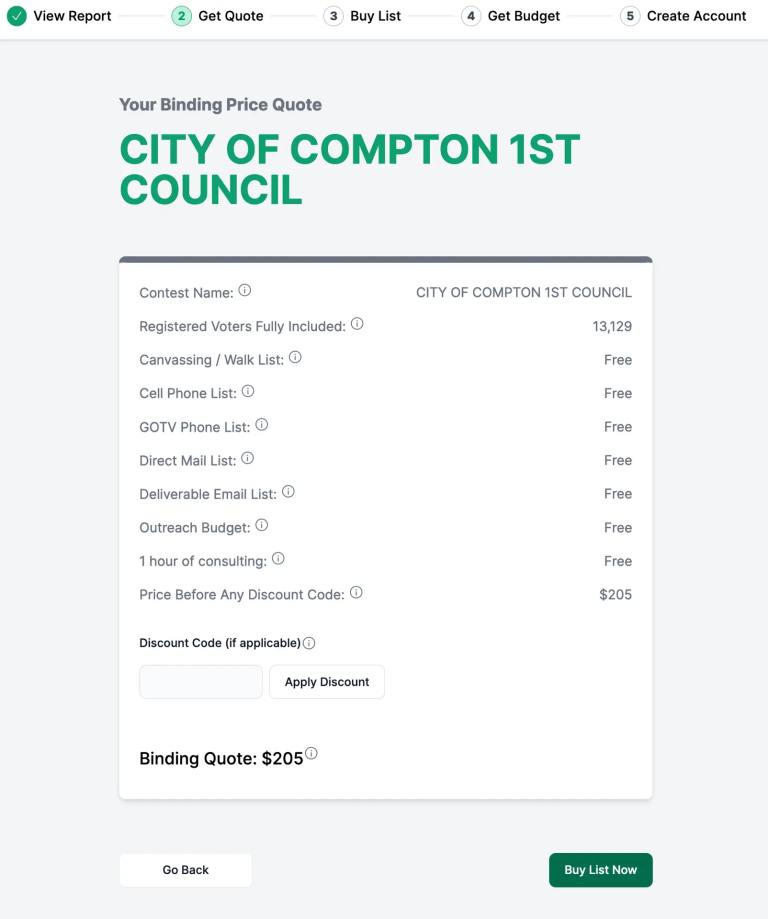
With your win number and turnout model in place, it’s time to build a precise voter universe. This step is crucial: targeting the right voters saves time and resources, focusing your efforts where they matter most.
Utilizing the California Voter File
The California voter file is a goldmine of information. It includes names, addresses, and voting histories. Accessing and understanding this file is pivotal. Start by identifying consistent voters in your district: those who regularly participate in elections. These are often your best targets. Look for patterns in past behavior. Did certain voters turn out for similar races? This insight can guide your outreach. Leveraging the voter file ensures you’re not starting from scratch.
Effective Voter Segmentation Techniques
Segmenting voters means dividing them into meaningful groups. Begin by categorizing them based on voting history. For example, frequent voters differ from occasional ones. Age, location, and party affiliation can also guide segmentation. This approach allows you to tailor messages to each group. When voters feel understood, they’re more likely to engage. Effective segmentation maximizes your campaign’s impact, ensuring personalized outreach.
Strategic Voter Contact and Outreach
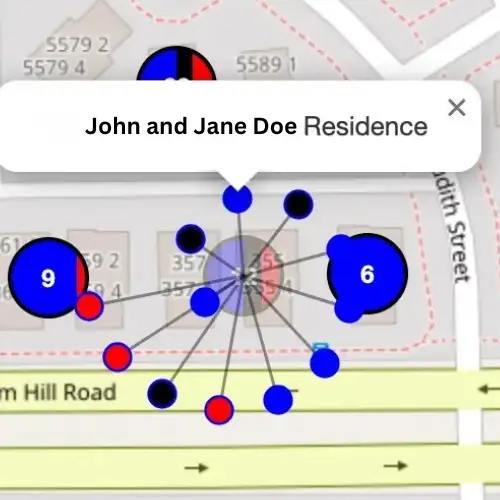
With your voter universe defined, it’s time to strategize your contact efforts. This phase involves creating a plan that is both comprehensive and adaptable, ensuring you reach the right people at the right time.
Developing a Comprehensive Field Plan
Your field plan is the blueprint for voter contact. Start by determining which voters to reach in person. Door-to-door canvassing can be powerful, especially in specific neighborhoods. Allocate resources wisely: focus on areas with high potential. Track progress regularly. Adjust your plan based on what works. A dynamic field plan evolves with your campaign, ensuring continuous improvement.
Crafting a Digital Outreach Strategy
In today’s digital world, online outreach is crucial. Use social media and email to connect with voters. Tailor content to each platform, ensuring messages resonate. Monitor engagement levels to refine your approach. Digital tools offer real-time feedback, allowing for quick adjustments. A well-crafted digital strategy complements your field efforts, expanding your reach without stretching your budget. For more tips on effective digital strategies, check out this guide.
By following these steps, you’re setting your campaign up for success. Each section builds on the last, creating a cohesive strategy that turns numbers into actionable insights. With a clear voter universe and strategic outreach, you’re not just campaigning: you’re campaigning with purpose and precision.