
Build a winning voter universe for your California local campaign in 2026
Most down-ballot campaigns fail because they start with guesswork, not numbers. If you don’t calculate a realistic win number and model turnout using California-specific data, you risk wasting time and money on the wrong voters. This guide shows you how to build a precise voter universe for your 2026 local elections in California, so your outreach stays focused and your budget stays on target. Learn more.
Calculate Your Realistic Win Number

Accurate calculations start your campaign on the right foot. Knowing your win number means understanding who you need to reach. Let’s dive into the steps.
Understand Voting Patterns
Begin by looking at past election results in your district. These results can reveal how voters behave. For instance, if 10,000 people voted in the last similar election, you might need just over half of that to win. Your calculation should consider both the number of registered voters and those who actually vote. Understanding these patterns helps set a clear target.
Analyze Your District Data
Gather data specific to your district. This includes demographic information and historical voting records. By breaking down this information, you can identify which groups are most likely to vote. You might find that certain age groups or communities are more engaged. This analysis informs where to focus your efforts, creating a more efficient campaign strategy.
Use Voter.Vote’s Tools
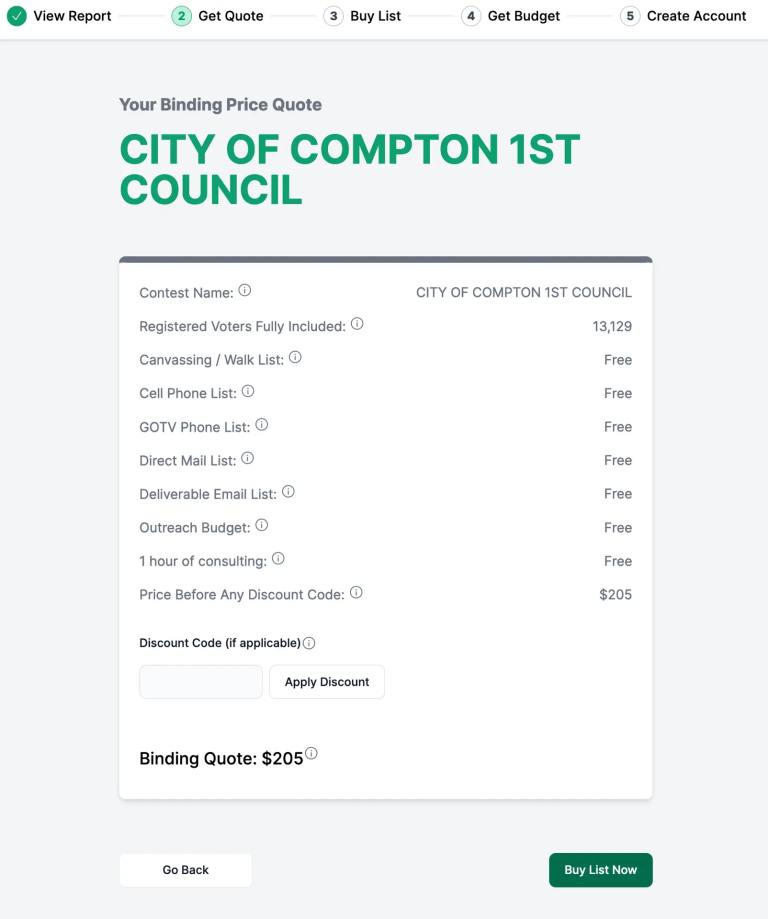
Voter.Vote offers tools to simplify this process. With access to California’s voter file, you can filter through data with ease. The platform helps you pinpoint the voters you need. This precise targeting means you won’t waste resources on unlikely supporters. Instead, your efforts become laser-focused on those who can make a difference.
Model Turnout Using California Patterns
Once you know your win number, the next step is understanding turnout trends. California’s voting habits can vary greatly, so let’s explore how to predict them.
Identify Key Turnout Trends
Key trends provide insight into when and how voters participate. Analyze past election cycles to spot patterns. For instance, some areas might show high turnout in presidential years but low in midterms. Recognizing these trends allows you to plan your outreach when it’s most impactful.
Predict Vote-by-Mail Participation
Vote-by-mail is increasingly popular in California. Look at how many voters opted for mail-in ballots in previous elections. This data helps you predict future behavior. By understanding the timing and volume of vote-by-mail participation, you can tailor your message to reach these voters effectively.
Adjust for Local Factors
Consider unique local elements that could influence turnout. Events like new policies or local controversies might spike interest. Adjust your strategies to address these factors. Local knowledge ensures that your campaign remains relevant and responsive to the issues voters care about.
Segment Voters Into Actionable Universes
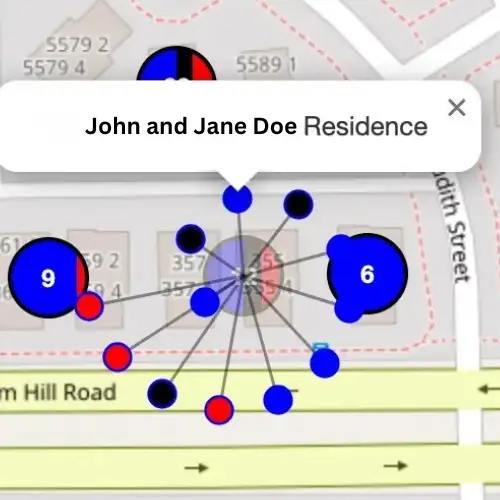
With a firm grasp on turnout, segment your voters into different groups. This segmentation is crucial for targeted messaging.
Define Your Persuasion Universe
Your persuasion universe consists of undecided voters. These individuals can be swayed with the right message. Focus on their concerns and tailor your communication to address these issues. By doing so, you can convert them into supporters.
Build Your Mobilization Universe
Your mobilization universe includes supporters who need encouragement to vote. These are individuals who align with your platform but may not always vote. Use reminders and motivational messages to ensure they turn out on election day. Engaging this group could be the key to securing your win.
Create Targeted Canvassing Lists
Canvassing is more effective when targeted. Use your segmented voter lists to create specific canvassing plans. Focus efforts on areas with high concentrations of persuadable or mobilizable voters. This targeted approach maximizes your outreach efficiency and boosts your chances of success.
By following these steps, you can build a solid strategy for your 2026 California local elections. With a clear win number, an understanding of voter turnout, and targeted voter universes, your campaign will be focused and efficient, ensuring every effort counts.