
Start Local the Right Way: Turnout Math, Voter Universe, and a Disciplined Outreach Plan
Most local political campaigns lose before they start. The problem is not effort but starting without clear turnout math and a precise voter universe. You need a realistic, affordable outreach plan that matches your win number and budget. This post shows how to build your local political campaign from the ground up using data and discipline. For more information, visit this guide.
Understanding Turnout Math
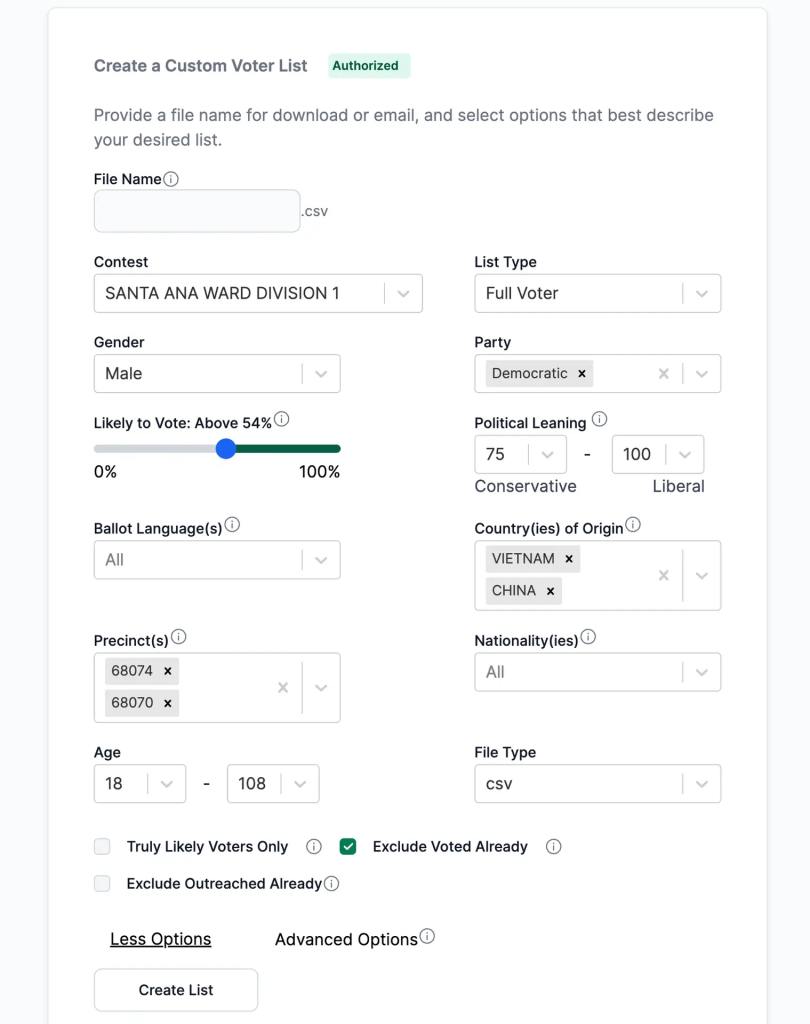
You’re ready to run a campaign, but how do you know if you can win? Understanding turnout math is the first step to success.
Calculate Your Win Number
To win, you need a clear target: your win number. This is the number of votes you need to secure victory. First, look at past elections to estimate the total turnout. Divide this number by two and add one. This is your win number. For instance, if 10,000 people are expected to vote, your target is 5,001. Knowing this helps you focus your efforts where it counts. Don’t waste time chasing every vote.
Building a Voter Universe
Now that you have your win number, it’s time to build your voter universe. This is your list of potential supporters. Start with those who consistently vote. Add people who share your values or have expressed interest. Use voter data to refine your list. The right universe keeps you from knocking on doors that won’t open. It’s about reaching the right people, not just more people. A targeted approach saves resources and boosts your chances of success.
Crafting a Disciplined Outreach Plan

With your voter universe in place, the next step is a disciplined outreach plan. It’s the backbone of a successful campaign.
Affordable Campaign Tools
Campaigns can be expensive, but smart tools help you stay within budget. Use technology that offers good value. Platforms like Voter.Vote provide email, texting, and social media tools at a fraction of the cost of competitors. This way, every dollar works harder for you. Affordable tools let you reach more voters without breaking the bank. They also simplify campaign management, giving you more time to focus on strategy. Check out this guide for more tips.
Email Outreach for Campaigns
Email remains a powerful way to connect. It’s cost-effective and personal. Start by segmenting your email list based on voter data. This allows tailored messages that resonate. Write clear, engaging content with a strong call to action. Regular updates keep supporters informed and motivated. Email also complements other outreach, like texting and direct mail. Together, these tools create a cohesive plan that drives engagement and boosts turnout.
Data-Driven Campaign Strategies

Data isn’t just numbers; it’s your secret weapon. It turns guesswork into informed decisions, making your campaign more effective.
Predictive Modeling for Voters
Predictive modeling helps you anticipate voter behavior. By analyzing past voting patterns and demographics, you can forecast who is likely to support you. This means you focus resources on those most likely to vote your way. Use these insights to tailor your messaging and outreach efforts. The result? More efficient campaigning that maximizes your impact.
GOTV Plan and Voter Segmentation
Your Get Out The Vote (GOTV) plan is crucial. It mobilizes your supporters when it matters most. Start by segmenting voters into groups: strong supporters, leaners, and undecideds. Tailor your GOTV efforts to each group. Strong supporters need reminders, while undecideds may require persuasion. This approach ensures you’re speaking to voters in the way they need to hear it. It’s not just about getting votes; it’s about getting the right votes. For practical strategies, explore this resource.
In summary, starting your campaign with clear turnout math and a disciplined plan puts you on the path to success. By focusing on the right voters and using data-driven strategies, you maximize your resources and chances of winning. Remember, it’s not just about working harder; it’s about working smarter.