
Most local California campaigns confuse Federal Election Commission rules with state-level regulations, risking wasted time and funds. Understanding when FEC compliance applies—and when it doesn’t—protects your budget and keeps outreach on track. This guide breaks down what matters for your race, clarifies FPPC vs FEC differences, and offers a practical checklist to start your campaign with confidence.
Understanding FEC Compliance for Local Campaigns
Navigating the complex landscape of campaign finance can be daunting, especially for first-time and down-ballot candidates. The distinction between Federal Election Commission rules and California’s Fair Political Practices Commission (FPPC) regulations is crucial. While FEC regulations primarily govern federal races, understanding their implications on local campaigns is vital to ensure compliance and avoid unnecessary expenditures.
For local California races, it is essential to prioritize understanding the specific regulations that apply to your campaign. The California Campaign Finance guide offers comprehensive insights into the state’s rules, limits, and strategies for maintaining a win-ready budget. This clarity helps campaign managers and consulting teams focus their efforts strategically.
Campaign Setup Checklist for Success
To ensure your campaign starts on the right foot, follow these steps:
-
Define Your Voter Universe: Use the California voter file to identify and narrow down your target audience. This data-driven approach ensures your outreach efforts are precise and effective.
-
Calculate Your Win Number: Determine the number of votes needed to secure a win. This calculation is fundamental to setting realistic goals and planning your campaign activities.
-
Plan Cost-Controlled Outreach: Develop a strategy that leverages affordable campaign tools, such as email, texting, and social media. AI-driven voter engagement can maximize your reach when engagement is likely to be highest.
-
Understand Reporting and Disclaimer Requirements: Familiarize yourself with political disclaimers and reporting deadlines to maintain transparency and compliance.
-
Monitor Contributions and Expenditures: Keep track of contribution limits and independent expenditures to ensure adherence to campaign finance laws.
By focusing on these key elements, your campaign can achieve clarity and control over its decisions, reducing the risk of wasted resources.
Start with the right universe. Use Voter.Vote to calculate turnout, set your win number, and sequence affordable outreach across email, texting, and social. Schedule a 15-minute walkthrough or request a sample voter universe for your district.
Understanding FEC Compliance in Local Races

FEC compliance in local races can be tricky. Many first-time candidates find themselves questioning when federal rules come into play. Let’s clarify how these rules impact your campaign strategy.
When FEC Rules Apply
If your campaign involves federal candidates or crosses state lines, FEC rules are crucial. Federal Election Commission guidelines primarily govern federal elections, but they can also affect local races when contributions from federal committees are involved. Understanding these nuances is essential. The key is knowing that FEC regulations kick in when federal campaign activities occur. If you’re solely focused on local or state positions, you might not need to worry about federal compliance. However, if your campaign interacts with federal elements, it’s time to check the FEC’s official resources for guidance. Staying informed helps you avoid unnecessary legal complications.
Distinguishing FEC from FPPC Rules
California has its own set of campaign finance rules governed by the FPPC. Unlike the FEC, the FPPC focuses on state and local elections. It’s important to know which body regulates your campaign. The FPPC’s role is to ensure transparency and fairness in California’s political arena. When running for local offices, like city council or school board, these rules are your primary concern. A common mistake is assuming FEC rules automatically apply. They don’t unless federal factors are involved. Knowing this distinction saves you from confusion and potential penalties.
Common FEC Misconceptions
Many candidates believe FEC compliance is necessary for all political activities. This misconception can lead to wasted resources. For purely local campaigns, state rules are often more relevant. Most people think federal oversight is universal, but that’s not the case. Misunderstanding this can result in unnecessary stress and financial strain. It’s crucial to focus on the specific regulations that apply to your race, whether they are local or federal. This understanding allows you to allocate your resources wisely and maintain a compliant, efficient campaign.
Practical Compliance for California Campaigns

With a clear view of when federal rules apply, let’s dive into practical steps for ensuring compliance with California’s specific guidelines. This section provides tools and insights to keep your campaign on track.
Local Campaign Compliance Checklist
Setting up a campaign involves many moving parts. A well-defined compliance checklist ensures nothing falls through the cracks. Firstly, identify your campaign type. Local campaigns, like those for county or district offices, primarily adhere to FPPC guidelines. Next, register your committee and file the necessary forms. These steps establish your campaign’s legal framework. Then, track contributions and expenditures closely. Accurate record-keeping is vital for meeting reporting requirements. Finally, prepare for audits. Regular reviews help maintain compliance and highlight areas needing adjustment. This checklist acts as a roadmap for managing your campaign efficiently.
Managing Political Disclaimers
Political disclaimers are a small but crucial part of campaign materials. They inform voters about who is behind a message. In California, ensuring your ads include proper disclaimers is mandatory. Start by identifying the message sponsor. Whether it’s a candidate or committee, this information must be clear. Next, include a disclaimer in each communication medium, from flyers to digital ads. Ensure the text is legible and meets size requirements. Regularly review your materials to ensure compliance. Managing disclaimers may seem minor, but it builds trust with voters and keeps your campaign transparent.
Navigating Contribution Limits
Contribution limits safeguard the democratic process by preventing undue influence. In California, these limits vary by office and are updated regularly. First, familiarize yourself with current limits for your specific race. This knowledge helps you plan fundraising activities. Next, track all contributions carefully. Accurate records prevent unintentional breaches. Understand the rules around individual and committee contributions. Violations can lead to fines and reputational damage. Lastly, educate your team about these limits. Everyone involved should understand their importance. Keeping contributions within limits protects your campaign and promotes fair play.
Tools for Effective Campaign Strategy
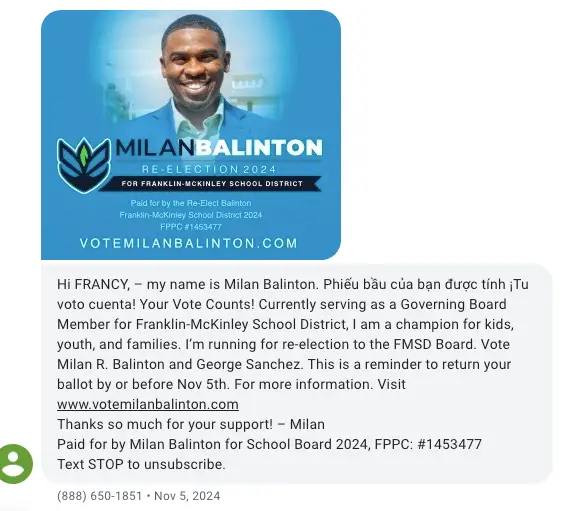
California’s political landscape offers unique challenges and opportunities. Leveraging the right tools can give your campaign a competitive edge. This section explores resources to optimize your strategy and boost voter engagement.
Leveraging the California Voter File
The California voter file is a treasure trove of data. It helps campaigns identify and target potential voters effectively. Start by accessing the voter file. This resource provides insights into voter demographics and behavior. Next, segment the data to tailor your outreach efforts. Focus on groups most likely to support your campaign. Use this information to craft personalized messages that resonate with your audience. Regularly update and refine your voter list to ensure accuracy. Leveraging this data enables targeted, impactful outreach, boosting your chances of success.
Calculating Your Win Number
Knowing your win number is crucial for campaign success. It represents the number of votes needed to secure victory. Begin by analyzing past election results in your district. This historical data provides a benchmark for setting realistic goals. Calculate the total number of votes cast and identify your target share. Next, factor in expected voter turnout. Adjust your strategy to focus on areas with high potential impact. Understanding this number guides your resource allocation and messaging efforts. A clear win number provides direction and keeps your campaign focused on achieving its objective.
Affordable Campaign Tools and AI Engagement
Affordable tools can transform your campaign, making it efficient and cost-effective. Voter.Vote offers solutions tailored to local races. Begin with email and texting services for direct voter communication. These channels are budget-friendly and highly effective. Next, explore social media advertising to expand your reach. Platforms like Facebook and Instagram offer targeted options that align with your campaign goals. AI-driven engagement tools provide insights into voter behavior, optimizing your outreach timing and content. Utilizing these tools ensures your campaign remains competitive, even with limited resources.